Fi looked at me across our coffees on the patio table with her dancing, sky blue eyes and in her molasses thick Irish accent asked, “Melody, after a long day of dancing do ya ever thank yer body?” We were sitting under a giant old oak tree, who’s magnificent arms stretched over and around us to soften the intensity of the southern summer sun, and I nearly burst out laughing at the question.
“How was it that I could go all these years, dancing every day and never see myself this way?”
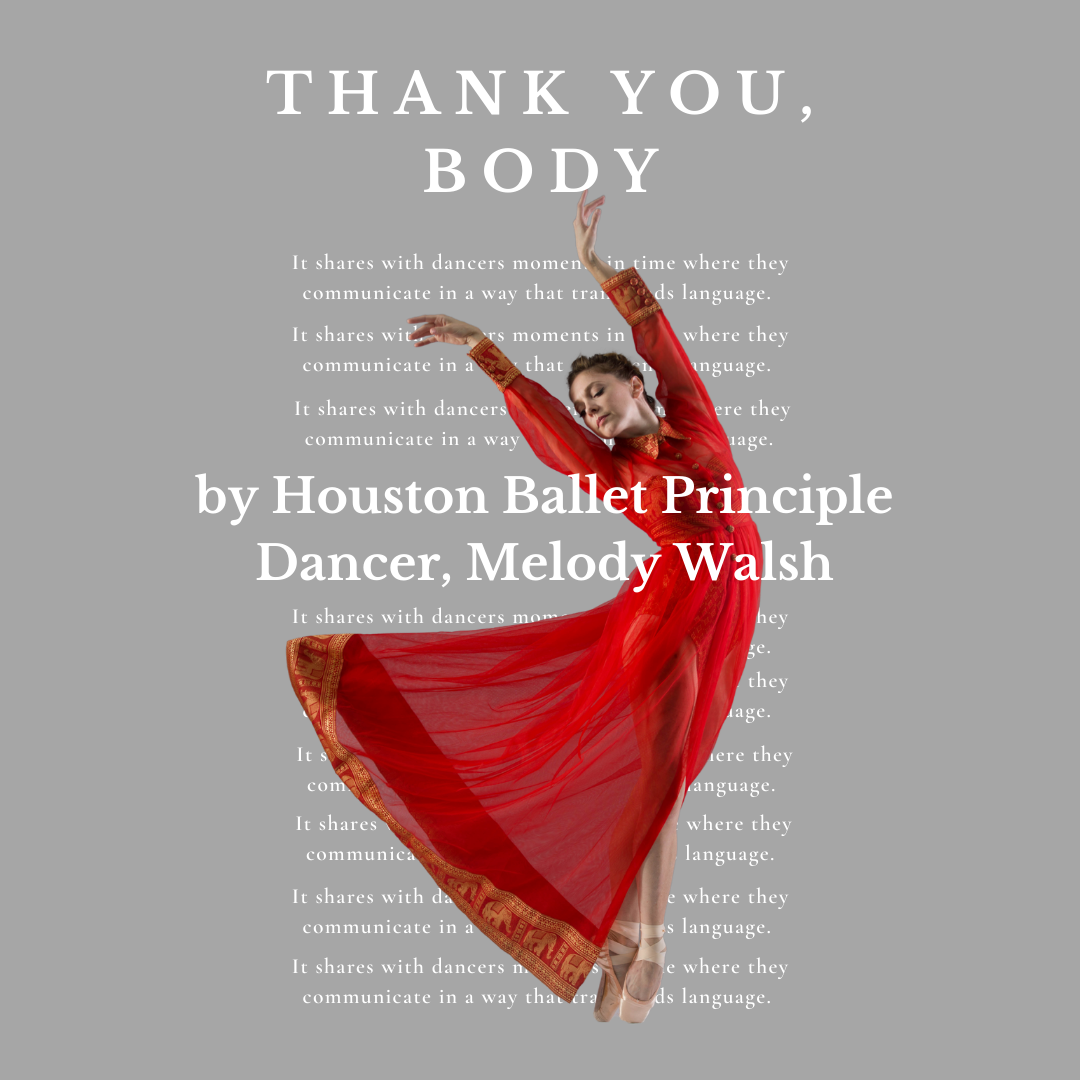
Fi is my Naturopathic Doctor. She is also a dear friend. The first time she came to see me dance, she and her wife fell over themselves- in awe of what they saw my body do onstage as I performed the role of Sugar Plum Fairy in The Nutcracker. We all sat in my dressing room after and laughed. I had folded over my legs to remove my pointe shoes at which point Fi squealed, “Jaaaazus, if I bent over like that I’d break in half!” That lead to them both demonstrating a hamstring stretch which induced more belly laughs on all our parts. I cannot describe my internal reaction to that moment as anything other than pure curiosity. How was it that I could go all these years, dancing every day and never see myself this way? It was a glaring disparity to me that I didn’t have childlike wonder for existing in my well trained and expressive body yet these two women were full of it. Something in me knew this reverence and giddy joy was right. It was true.
Growing up, the images I saw of professional ballerinas always conformed with what I came to know as an “ideal” ballet body type. The best way to achieve this is to be born with it. In the industry we also refer to this as a “natural ballet facility”. (I find the need to point out objectifying language when I become aware of it. This is one example. You know what else we call facilities? Toilets.) Anyways… this ideal was not only consistently observable in images and films but also often reflected in the casting of leading roles. As if it needed further reinforcement, it was specifically laid out in a book I grew up referencing called Classical Ballet Technique. You can order this ballet bible on Amazon right now, but honestly I hope you don’t.
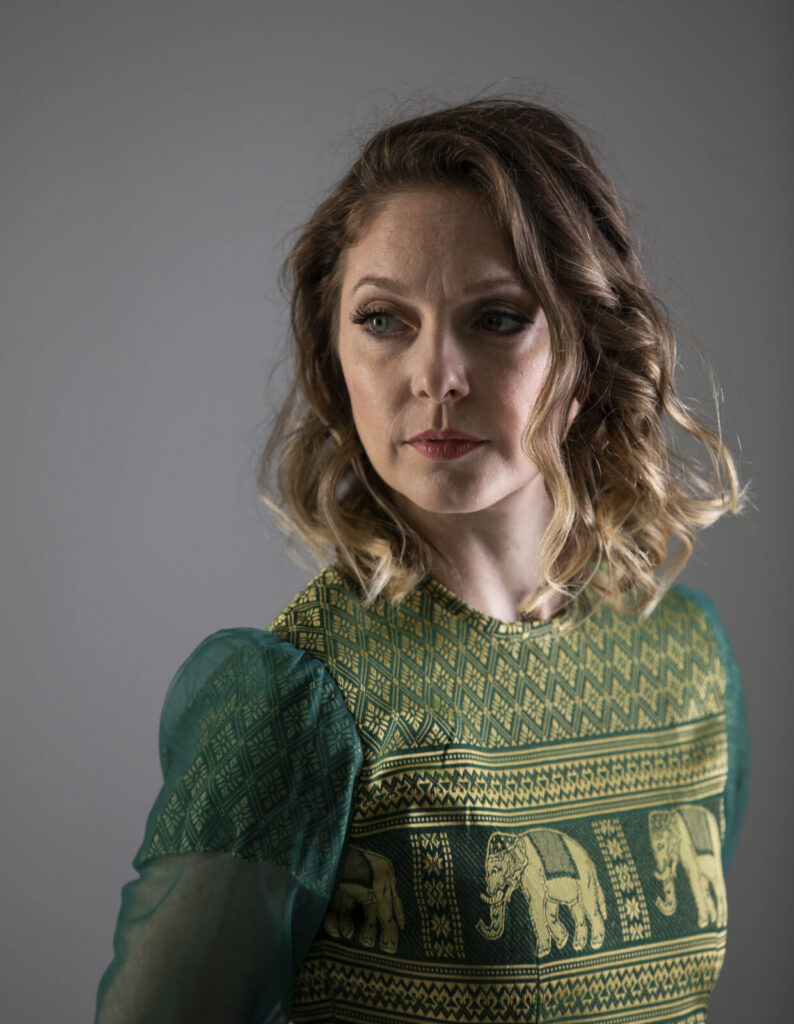
“When I became a professional dancer I learned about many private conferences that were periodically scheduled for women in the company and the artistic staff and director. In the dressing room we called them fat talks.”
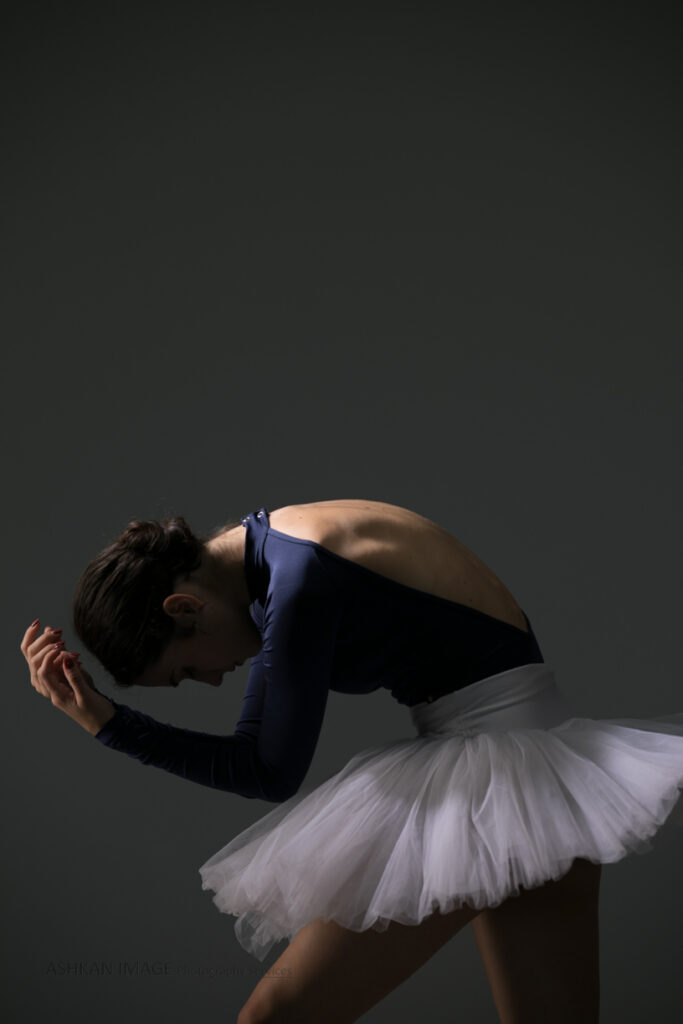
“I talked about how scary it was that my body was changing, how that threatened my career, and how there were many moments in the day when I would grab the back of my thighs, just above my mid hamstrings, and feel dread.”

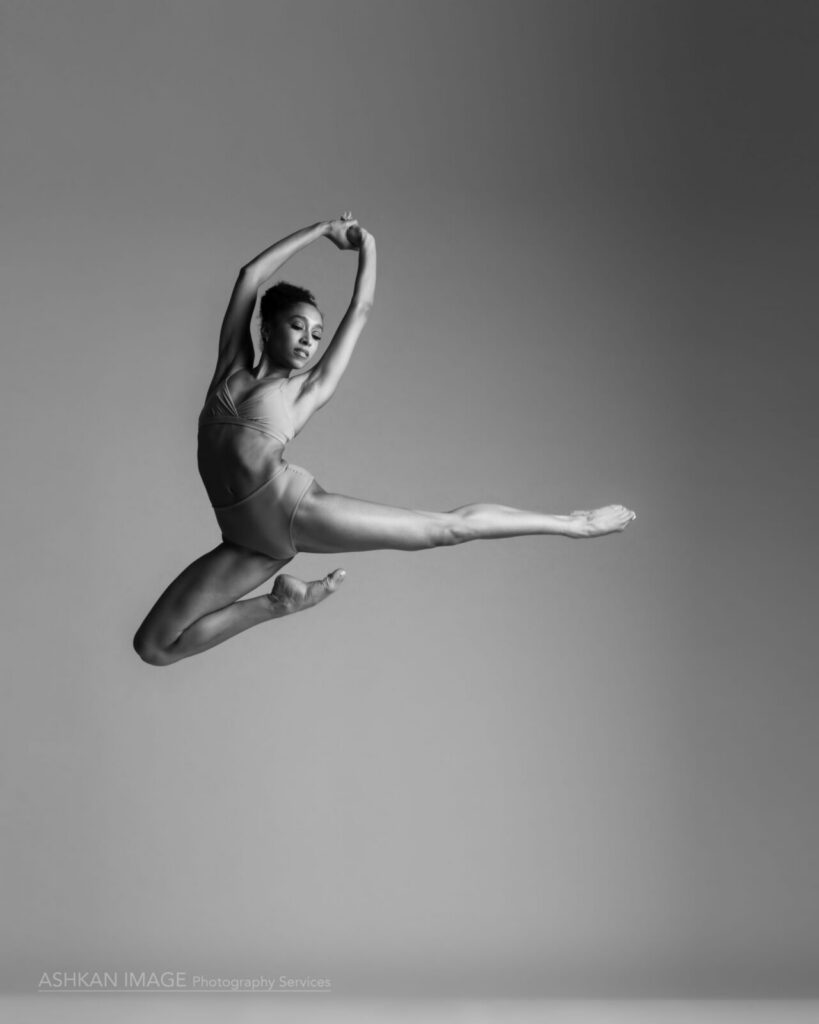
“In this moment, exactly who you are has something important for this word. We need all of you, not less of you.”
Want to work with Melody Walsh?
We are now offering a limited number of Coaching Sessions with Melody Walsh, Principle Dancer of the Houston Ballet. These Sessions are paired with a photo Session with Ashkan, and one-to-one coaching and confidence training with Melody herself.